
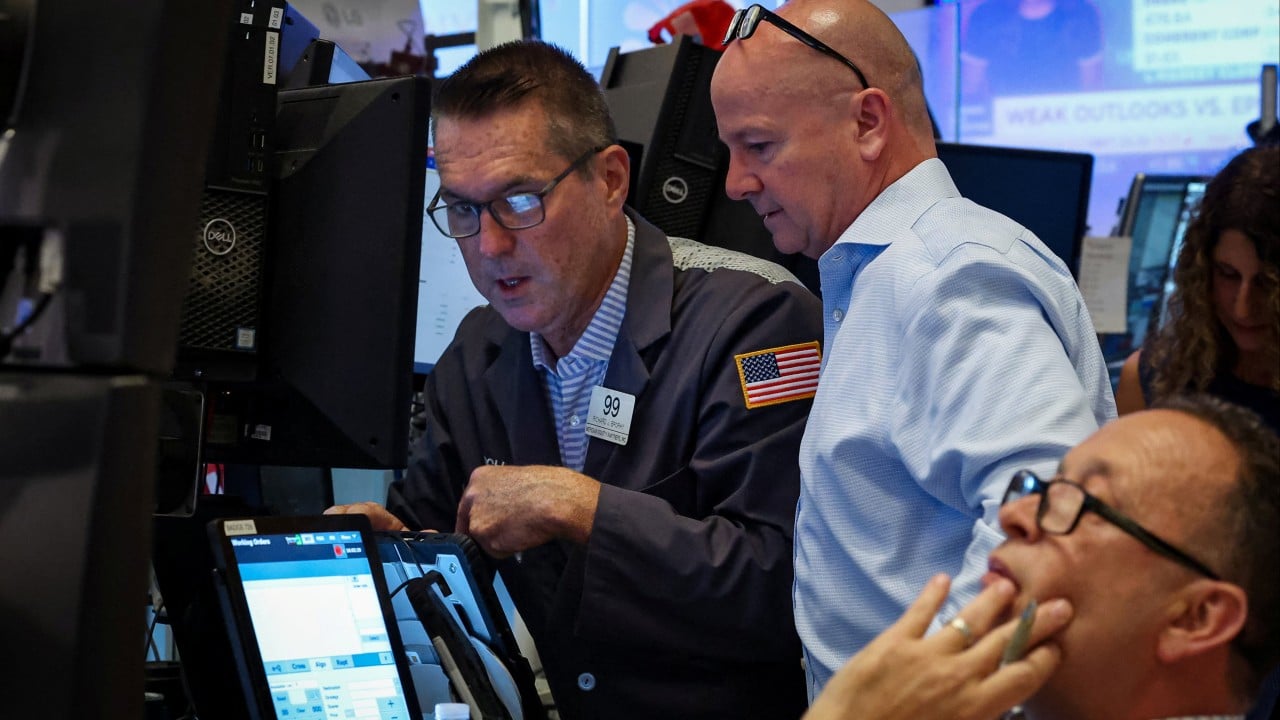
As the typhoon that is US President Donald Trump sweeps over trading partners and foes alike, even as stock markets are hitting record highs, there is an eerie feeling of being trapped inside the eye of the hurricane with no guidance on what to do and where to go.
There is misinformation everywhere. It seems as though there is no objective, independent verification of the real level of casualties and devastation in the wars in Ukraine and Gaza. Neither is it clear Trump can deliver peace in Ukraine when he meets Russian President Vladimir Putin or rein in Israel-Iran tensions before they become nuclear.
Reality today is stranger than even the most speculative science fiction. Who would have predicted a month ago that Trump would impose 50 per cent tariffs on India, or unlisted start-up Perplexity AI – which has an estimated valuation of US$18 billion – would bid US$34.5 billion to buy the Chrome browser from Google, which has a market cap valuation of US$2.4 trillion?
Lions are trying to swallow elephants, as also seen in the United States now taking on both China and India. From the perspective of financial markets, the US does appear to be on a roll. Recent estimates indicate that the nearly 5,500 companies listed in the US have a market valuation of more than US$81 trillion – almost 280 per cent of the 2024 US gross domestic product – with rising revenue of nearly US$30 trillion.
The Magnificent Seven tech companies alone have a market capitalisation of nearly US$20 trillion, or just under one quarter of the total market cap. At the same time, they have revenue of more than US$2 trillion, or 7 per cent of total US listed corporate revenue.
The US economy is proving more resilient than expected. This is despite real interest rates for 10-year US Treasuries standing at 1.17 per cent after being 2 per cent as late as February this year. Small wonder that US Treasury Secretary Scott Bessent has called for upwards of 175 basis points in cuts to interest rates as the US federal debt of US$37 trillion is already paying US$1 trillion a year in interest rate charges.
Comments are closed.