
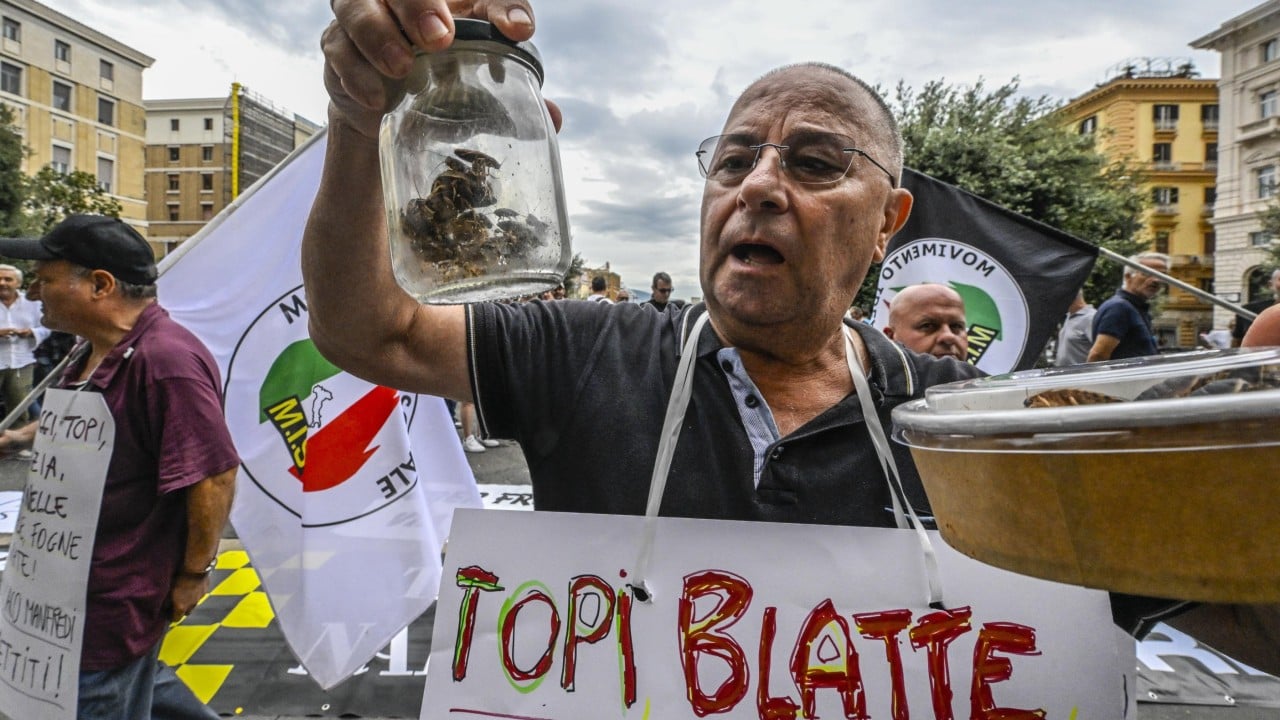
JPMorgan CEO Jamie Dimon’s remark that “when you see one cockroach, there are probably more” is a blunt reminder of the global financial crisis in 2008. At the time, a flood of bad mortgages had revealed a tenuous labyrinth of complex, highly vulnerable financial products that saw some US investment banks collapse and equity markets struggle for six years to recover losses.
Evidence is mounting that we are approaching danger again, with revelations of bad debt exposure for regional and investment banks as a consequence of two bankruptcies. Auto parts maker First Brand Group filed for bankruptcy protection last month with US$11.6 billion in liabilities, while car dealership Tricolor did likewise with more than US$1 billion in liabilities.
It is true that US markets bounced back a day after some banks’ stocks suffered their steepest single-day losses in more than six months on October 16. Wall Street’s fear index, the CBOE Volatility Index, shook off the anxiety after sharply jumping the day before.
However, many questions remain about the magnitude of exposure to holdings of other bad debt and the potential global fallout. Accompanying those is the backdrop of record sovereign debt worldwide, erratic trade policy confrontations and geopolitical tensions.
For the moment, CEOs are still leaning in, with more than half in an EY-Parthenon survey in September saying they are “investing to accelerate portfolio transformation”. But as the 2008 global financial crisis showed, situations change swiftly, especially in a highly interdependent global economy.
Meanwhile, CEOs are saying privately they have growing concerns about state capitalism and the erosion of independence at the US Federal Reserve, among other issues. These uncertainties could stop the music again, as former Citigroup chairman and CEO Charles Prince put it when the global financial crisis was beginning to unfold.
Comments are closed.