
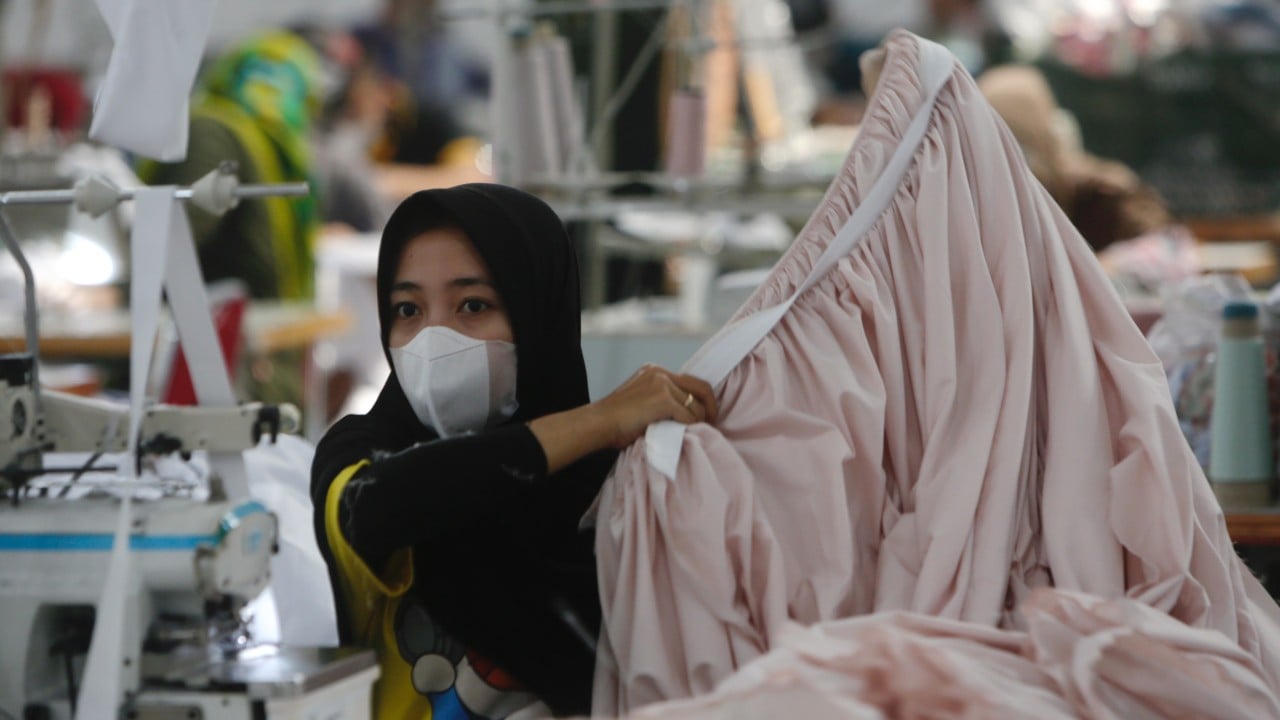
Cop30 concluded with confident declarations from global fashion brands: upgraded net-zero road maps, new partnerships under the UN Fashion Industry Charter for Climate Action and bold promises to “accelerate supply-chain decarbonisation”.
However, the summit revealed something the industry continues to avoid. Fashion’s climate ambition is still being shaped in the West, while the responsibility for delivering it falls almost entirely on Asia.
This imbalance has not shifted. Instead, the UN fashion industry climate charter’s informational pack has simply reaffirmed expectations for suppliers to adopt renewable energy, phase out coal and improve energy efficiency, without sufficiently addressing the economic realities of the manufacturing countries expected to implement these transitions.
Asia accounted for around 70 per cent of global textile and clothing exports in 2022, according to the World Trade Organization. That same year, the International Labour Organization reported that fashion employed more than 60 million workers across the garment, textile and footwear sectors. In countries such as China, Bangladesh, Vietnam, India, Indonesia and Cambodia, the industry is a backbone of national economic stability.
It is also where fashion’s emissions actually come from. According to a 2020 McKinsey and Company report, about 70 per cent of the industry’s greenhouse gas emissions originate from upstream supply chain activities such as production, preparation and processing of raw materials.
Yet brands control only a fraction of these processes. Energy grids, chemical inputs, dyeing systems and infrastructure decisions lie in the hands of governments, utilities and manufacturers – most of whom are in Asia.