China’s new nightmare: a Japanese containment arc in the Indo-Pacific
Advertisement
Opinion
A Japan motivated to act in its own defence by an unreliable US is creating a regional security framework that must worry China
3-MIN READ3-MIN
Wenran Jiang, the founding director of the China Institute and Mactaggart Research Chair Emeritus at the University of Alberta, is an adviser at the Institute for Peace and Diplomacy.
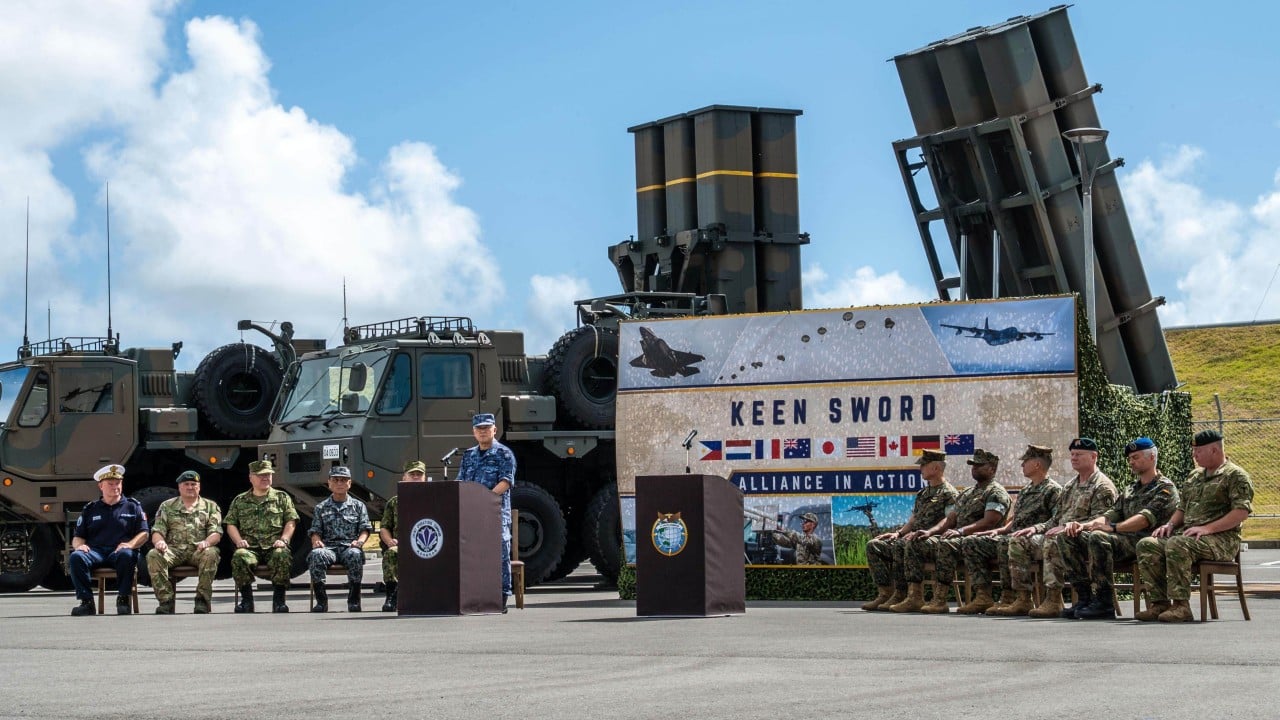
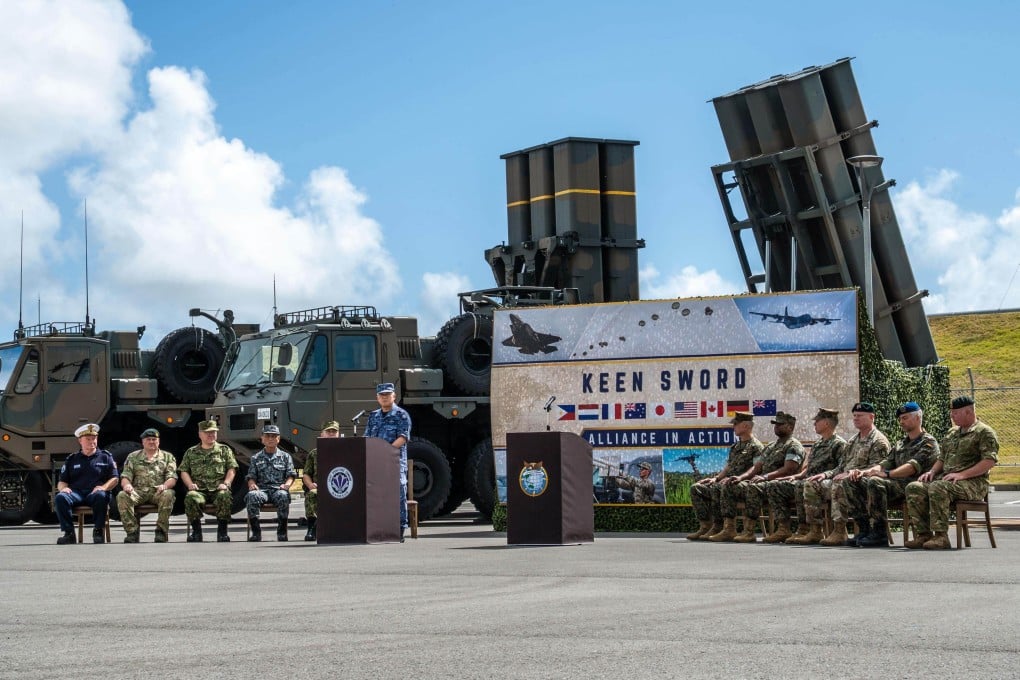
Just weeks after US President Donald Trump and Chinese President Xi Jinping invoked their countries’ World War II alliance at the White House, Keen Sword 27 turned symbolism into hardware. The 11-day exercise, which wrapped up on October 29, deployed US Marine NMESIS anti-ship launchers and MADIS air-defence systems to Yonaguni – Japan’s westernmost island, just 110km (70 miles) from Taiwan.
Japan mobilised its new Type 25 missile, with a reported 1,000km range, from Kumamoto for the system’s first large-scale drill. The containment arc is no longer a concept; it has been exercised, coordinated and institutionalised under Tokyo’s new Joint Operations Command.
That architecture did not begin with missiles on Yonaguni. In early August, Japanese Defence Minister Shinjiro Koizumi swung through Canberra and New Delhi, signing a hypersonic missile-testing agreement with Australia and a dedicated maritime security memorandum with India. They are building blocks of an autonomous Indo-Pacific network Tokyo is constructing as Washington’s attention fractures between its war with Iran, alliance disputes and domestic politics.
Source: Read original story

Comments ()