BOJ chief Ueda sees 'some upside risks' to inflation
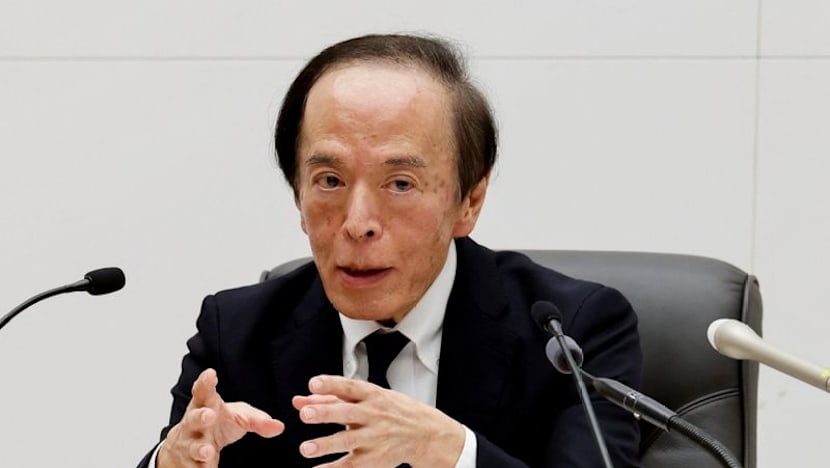
Bank of Japan Governor Kazuo Ueda speaks during a press conference after a BOJ policy meeting in Tokyo, Japan, October 30, 2026. REUTERS/Kim Kyung-Hoon/File Photo
WASHINGTON, Nov 6 : Bank of Japan Governor Kazuo Ueda said on Friday the central bank expects underlying inflation to stay around its 2 per cent target but recognizes there are "some upside risks."
The rise in prices of energy-related products was beginning to hit consumer inflation with price growth seen accelerating further into early next year, Ueda said.
"We are in an equilibrium with wages growing at a level consistent with 2 per cent inflation," Ueda said at a seminar hosted by the International Monetary Fund.
But the BOJ's 2 per cent inflation has yet to become a social norm in Japan, Ueda said, adding that the central bank's goal now was to anchor underlying inflation around its target.
Guess Word Crack the word, one row at a time

Buzzword Create words using the given letters

Mini Sudoku Tiny puzzle, mighty brain teaser

Mini Crossword Small grid, big challenge

Word Search Spot as many words as you can

He also said the BOJ was looking at the actions of other central banks "very, very carefully," as they affect asset prices including foreign exchange rates and interest rates.
"What they do reveals important information about what they think about their economies, which will impact our economy. So we look at their behavior and actions very carefully," he said on the policy measures of other central banks.
On unconventional monetary policy tools, Ueda said they have had some positive effects when the BOJ deployed them, but added they have not been perfect substitutes for cutting interest rates from positive territory.
The BOJ may be obliged to deploy unconventional policy tools again depending on the severity of the economic shock that may hit Japan, Ueda said.
"I guess the important thing would be to keep inflation or underlying inflation at around 2 per cent as much as possible. But if we need to deploy these tools again, we should think about ways to minimize negative effects, including possibly the effect on the functioning of the market," he said.
Source: Read original story



Comments ()