Prediction markets get Democratic win right, with a few surprises

WASHINGTON, Nov 4 : Prediction markets got the big picture right in the US midterm elections, although a few races delivered surprises as Democrats seized control of the Senate and House of Representatives.
With more than $1.48 billion wagered on Tuesday's elections, the results offered a test of whether prediction markets could translate their odds into accurate electoral forecasts.
Bets placed on a Democratic midterm sweep largely paid off despite some mispriced races, as tens of millions of voters delivered a stinging rebuke to US President Donald Trump.
"Prediction markets priced the midterm outcome within hours," said Kelly Ye, head of research at digital asset trading platform Talos.
Guess Word Crack the word, one row at a time

Buzzword Create words using the given letters

Mini Sudoku Tiny puzzle, mighty brain teaser

Mini Crossword Small grid, big challenge

Word Search Spot as many words as you can

Several closely contested Senate races had attracted millions of dollars in bets, putting prediction markets under scrutiny. In many cases, the results tracked expectations, with Democrats winning Senate seats in Texas and Ohio.
Prediction markets rose to prominence as they diverged from traditional opinion polls by signaling a Trump victory in 2024, and analysts were scrutinizing their performance this week.
While the markets cite high accuracy rates in their betting odds, some high-profile misses during the US primaries and in Brazil's presidential election have shown they are fallible.
Prediction markets allow users to buy and sell contracts tied to real-world events, with prices reflecting traders' collective expectations. Critics, however, say those odds can be skewed by speculation, thin liquidity and concentrated bets.
Kalshi's total trading volume on election markets reached over $2.5 billion this cycle, compared with $1.3 billion during the 2024 election cycle, which included the presidential race.
Traders on Kalshi were assigning a 55 per cent probability to a "blue tsunami" as early as April. Meanwhile, Polymarket's election forecasts were about 98 per cent accurate, a person familiar with the matter told Reuters.
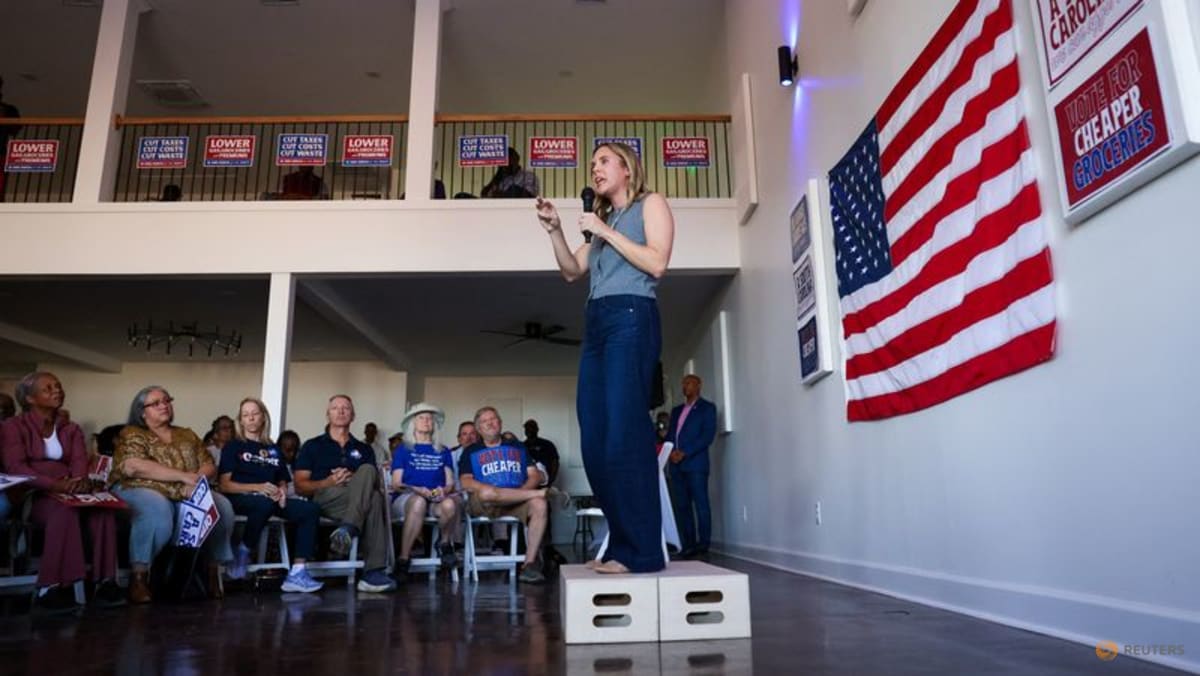
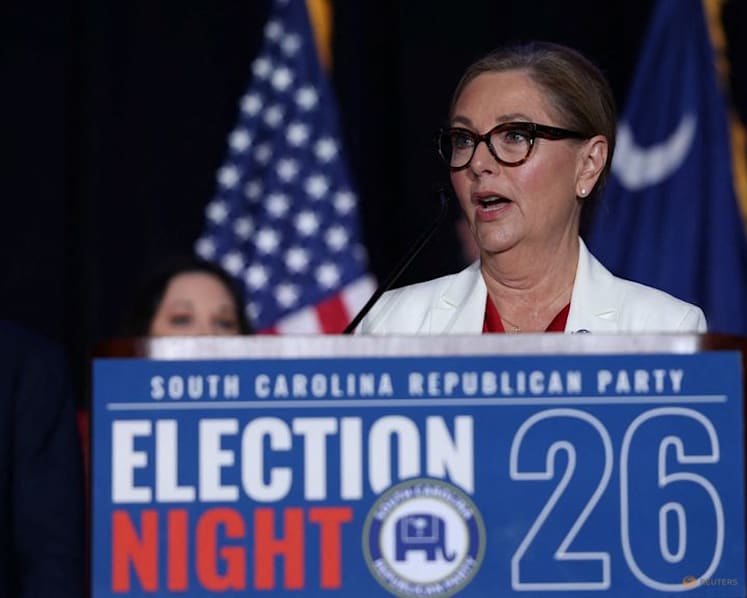
One notable miss came in conservative South Carolina, where Democrat Annie Andrews defeated Republican Darline Graham to win a Senate seat, defying market expectations.
Kalshi and Polymarket had implied a 70 per cent chance of Graham, the sister of the late US Senator Lindsey Graham, winning that race as of late afternoon Tuesday.
"Prediction markets can be useful because they aggregate the views of people who have an incentive to be right, not just to express an opinion," said Brian Jacobsen, chief economic strategist at Annex Wealth Management.
"They can give a good indication of where the weight of information is pointing, but a prediction isn't a promise. Whether it’s politics or sports, you still have to hold the election or play the game to know the result," he added.
Source: Read original story


Comments ()