

American biohacker Bryan Johnson invests big money – an estimated US$2 million yearly – trying to turn back his body clock. His quest for eternal youth includes specialised nutrition, supplements and personalised medicine – from stem-cell injections to DNA editing.
You do not have to be rich or a risk-taker to slow the ageing process, though. There are more accessible options that are a lot less costly, and may be even more successful, as two British authors reveal in books that describe how they cut decades from their biological age.
Chronological vs biological age
Essentially, your chronological age is how long you have lived; your biological age is how old your cells and organs are. Johnson, for example, is 47, but reportedly has the heart function of a 37-year-old and the fitness level of an 18-year-old.
The number of years you have lived represents an “incomplete account of the ageing process”, says Professor Cathal McCrory, a co-principal investigator of The Irish Longitudinal Study on Ageing, or Tilda, at Trinity College Dublin in Ireland.
“Consider two same-aged peers of 50. The number of years that have passed is technically the same for both of them, but the ageing experience may be very different. Even identical twins age differently, despite sharing 100 per cent of their DNA,” he says.
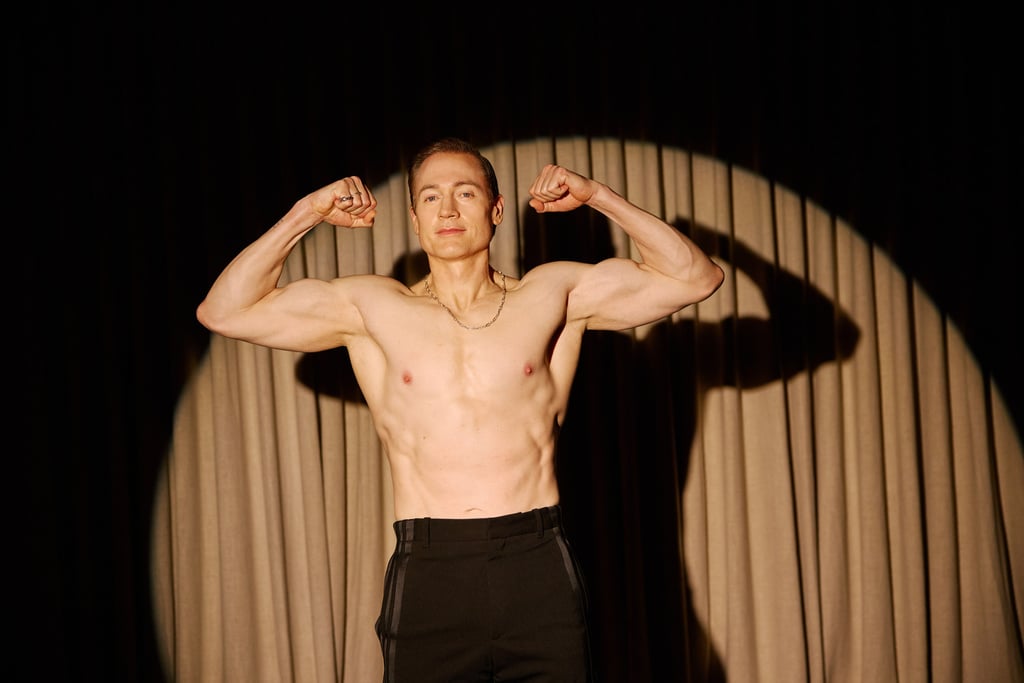
British journalist and author Sandra Parsons exemplifies how to slow ageing. She has engineered her “real” age – 63 – down by 40 years or so.
Comments are closed.