
It may not be a flashy superfood, but the humble mugwort plant – known as yomogi in Japan – is a quiet powerhouse in Asian health and wellness.
This perennial herb, Artemisia vulgaris, is used in foods from soups to salads, pancakes to desserts. Herbalists have long touted its potent medicinal benefits, which include antioxidant and anti-inflammatory effects.
With its herbal, sage-like aroma, mugwort is a mainstay of both traditional Chinese medicine (TCM) and Japanese herbal medicine (kampo). The herb is now being assessed for its use in upscale spas and in modern natural supplements.
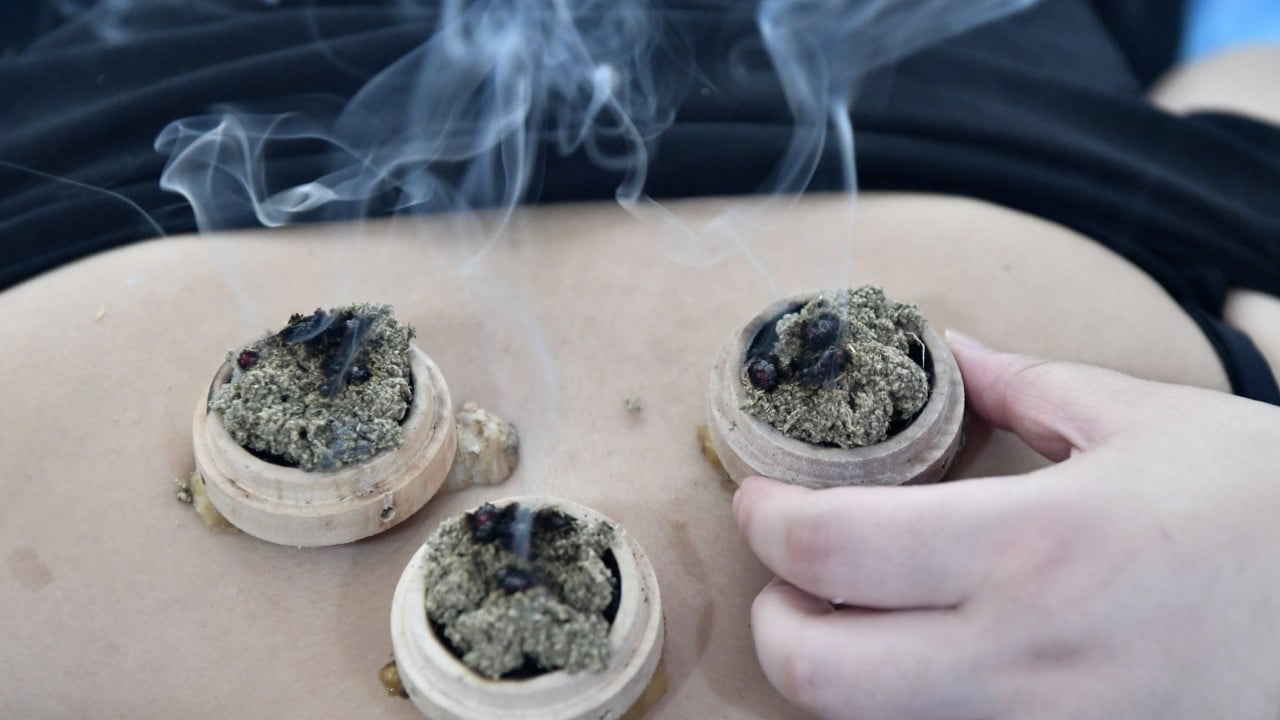
Hong Kong-based TCM practitioner Dr Samuel To says mugwort has played a crucial role in Chinese healing, particularly through moxibustion: a form of heat therapy in which dried mugwort leaves – fashioned into small sticks or cones like incense, called “moxa” – are burned on or near the skin’s surface.
This therapy is used to relieve joint pain, indigestion and menstrual cramps, and even to treat infertility.
Mugwort “is known for its warming properties that also aid circulation”, To says, adding it is also a mild pain reliever that can be boiled in water and drunk like a tea.