
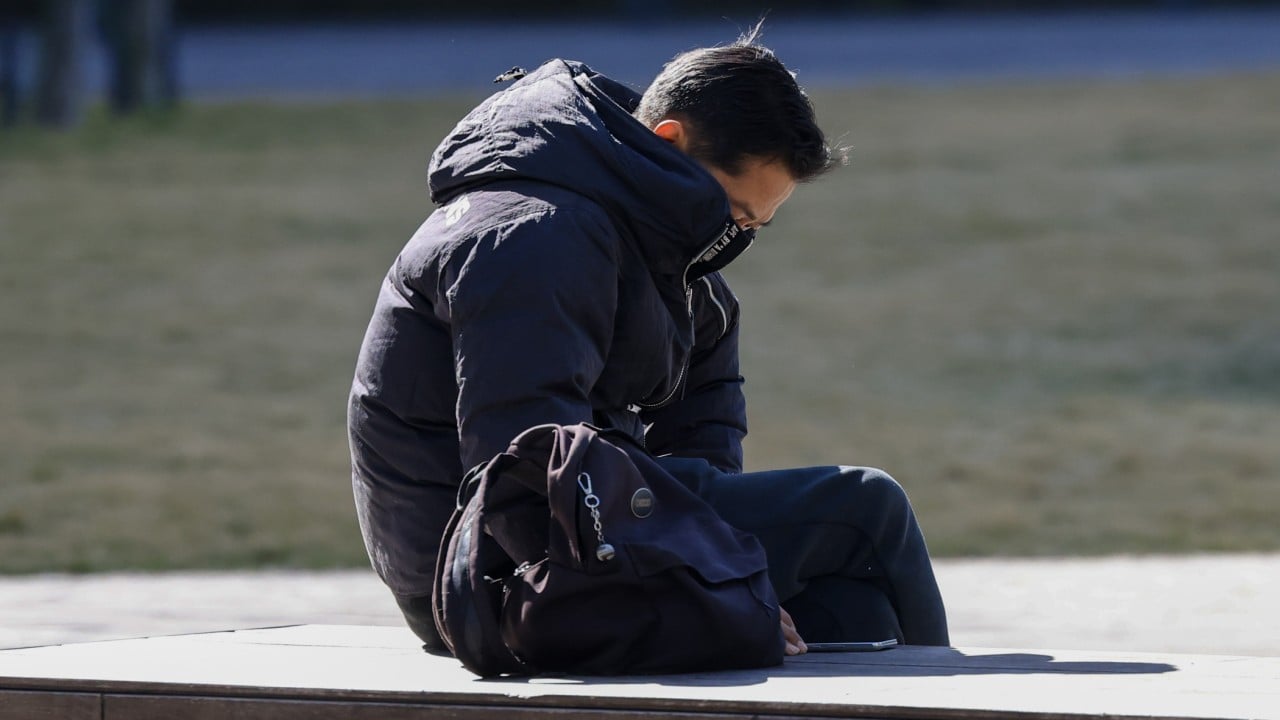
A cold weather warning was issued as Hong Kong ushered in 2026, with the temperature dropping to 12 degrees Celsius (54 degrees Fahrenheit) overnight. There was a chill in the air and windy conditions in the days that followed as a cold front moved through.
While winter in the city is projected to be normal, day-to-day fluctuations mean that residents can expect the occasional cold snap for the rest of the season.
For many people, less sunlight, lower temperatures and decreased humidity in the cooler months can spell a decline in mental and emotional well-being, sometimes referred to as SAD, or seasonal affective disorder.
SAD explained
American psychiatrist Norman Rosenthal coined the term SAD in 1984. A subtype of depression, SAD typically starts in the autumn and winter, when the daylight hours are shorter.

Rosenthal and colleagues at the US National Institute of Mental Health theorised that less sunlight could throw the internal body clock, known as the
circadian rhythm, off balance, lowering levels of serotonin, a chemical messenger that helps regulate mood, sleep, digestion and other functions.
Signs of SAD
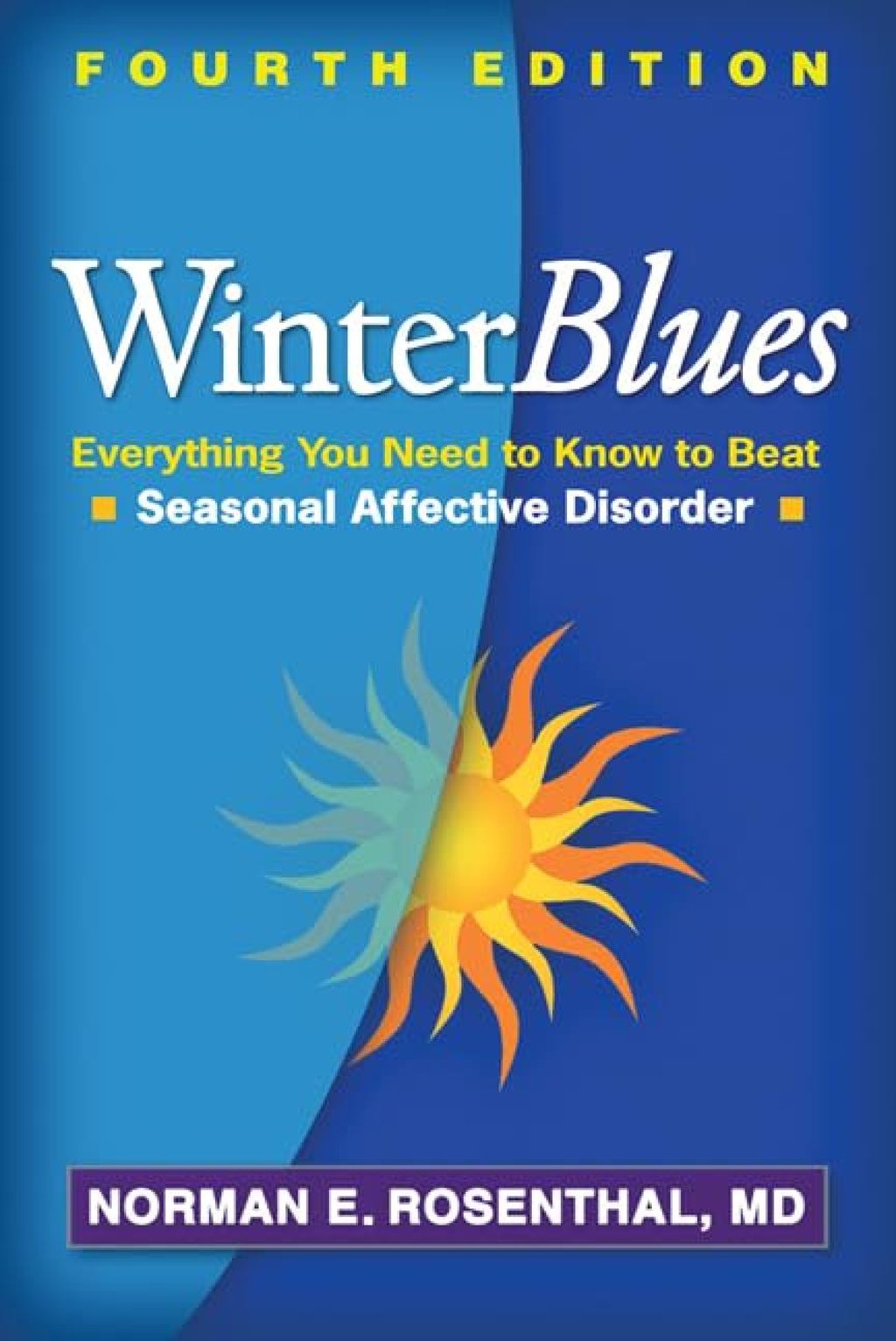
In his 2005 book, Winter Blues: Everything You Need to Know to Beat Seasonal Affective Disorder, Rosenthal describes how people with SAD experience low mood, fatigue, difficulty concentrating, increased sleep and carbohydrate cravings.
Besides that, inclement weather may make us behave in ways that maintain a low mood, adds Bea Smith, a psychotherapist at Maple Tree Counselling in Hong Kong. We may exercise less, spend less time outdoors and socialise less – all “natural antidepressant” activities.
In spring and summer, SAD symptoms tend to dissipate naturally.
These symptoms overlap with those of major depression, but there are some differences, Smith says.