We should call it the “Neom factor”: the force that transforms reasonable aggressive ambition into hallucinogenic fantasyland. It glared out at me last week in a Financial Times headline: “Three ‘Heathrows’ of growth: the unstoppable rise of Middle East airports”.
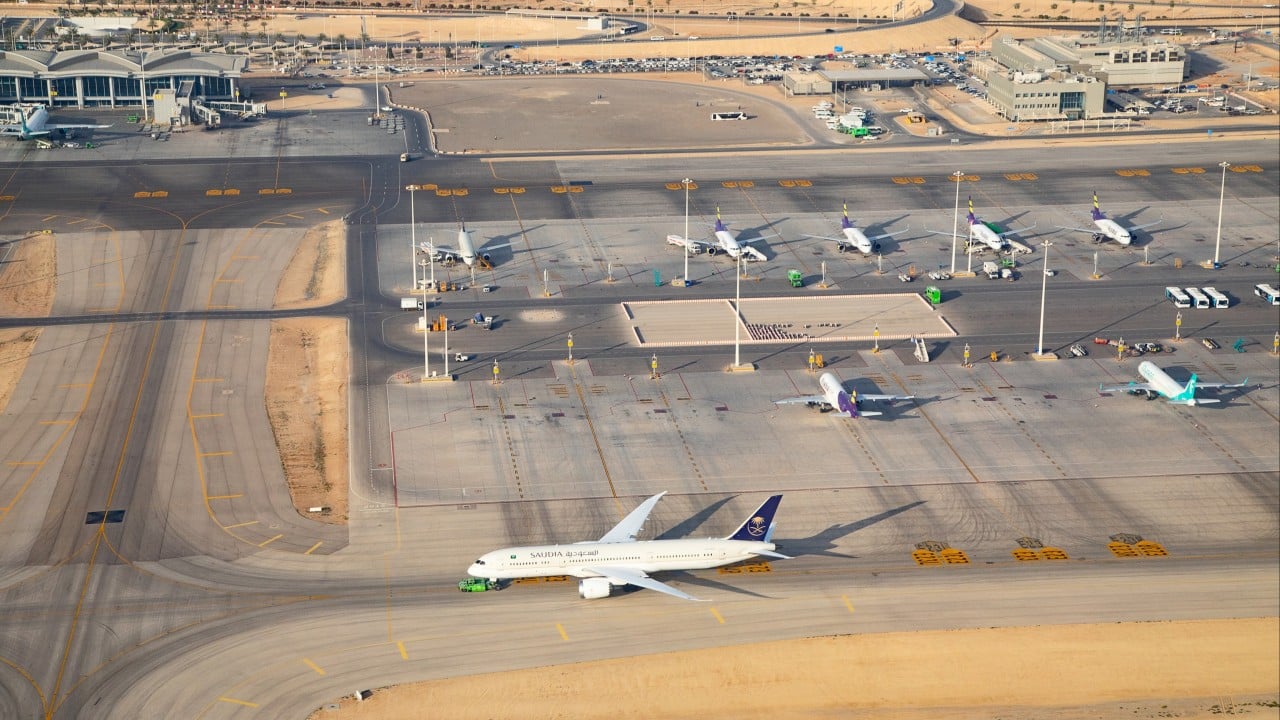
In short, Dubai, Istanbul, Riyadh, Doha and Abu Dhabi in aggregate have airport expansion plans to lift passenger capacity almost threefold to around 750 million a year over the coming decades.
In the words of Paul Griffiths, chief executive of Dubai Airports: “We will be the black-hole mega-hub that sucks in demand all over the region.” Except it seems Saudi Arabia, Qatar, Abu Dhabi and Istanbul share a similar black-hole ambition. They take little account of the inevitable tooth-and-claw competition for air traffic set to be unleashed through the Gulf region, and seem unperturbed by the real-world experience of long-established hubs elsewhere in the world: their predominance is sticky, and they are hard to dislodge.
I acknowledge that, according to Airports Council International, global air passenger traffic is forecast to double to 7.5 billion international travellers by 2045 (and to reach 10.1 billion for domestic air travellers), with the Middle Eastern region growing the fastest, at around 5 per cent a year. But it takes a giant leap of unhinged imagination to reach anywhere near the ambitions of airport planners in the Middle East.
Dubai’s plans to lift airport passenger capacity from 120 million to 260 million is already aggressively ambitious. So too is Istanbul’s ambition to jump from a capacity of 96 million to 200 million by 2028. But at least such ambitions are based on credible foundations: Istanbul already serves 327 destinations and Dubai 280. Both have strong tourism industries and massive roles as regional hub airports. But Abu Dhabi, just an hour down the road from Dubai?
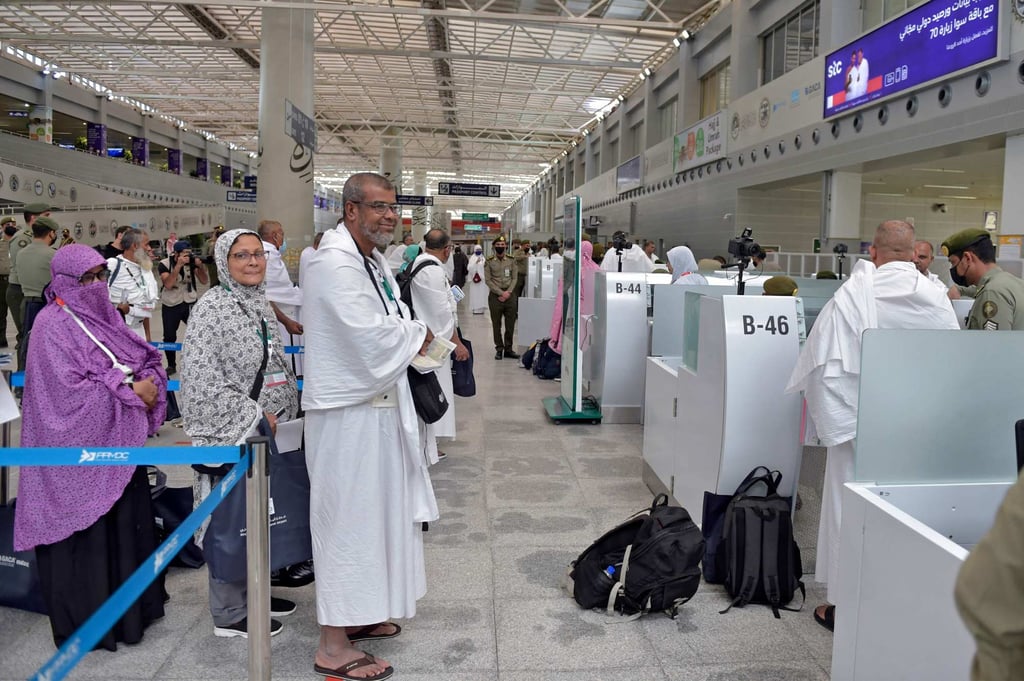
Perhaps unsurprisingly, the most extravagant and implausible ambitions come from Saudi Arabia and Crown Prince Mohammed bin Salman’s Vision 2030. His US$100 billion National Civil Aviation Strategy aims for 250 destinations and 330 million passengers – 150 million of them tourists – by the end of the decade.