Channel 4 documentary and journalists 'poisoned the well' against Russell Brand, court hears

- Published
Journalists "poisoned the well of justice" by prompting complainants to come forward and make criminal allegations against Russell Brand, jurors have heard.
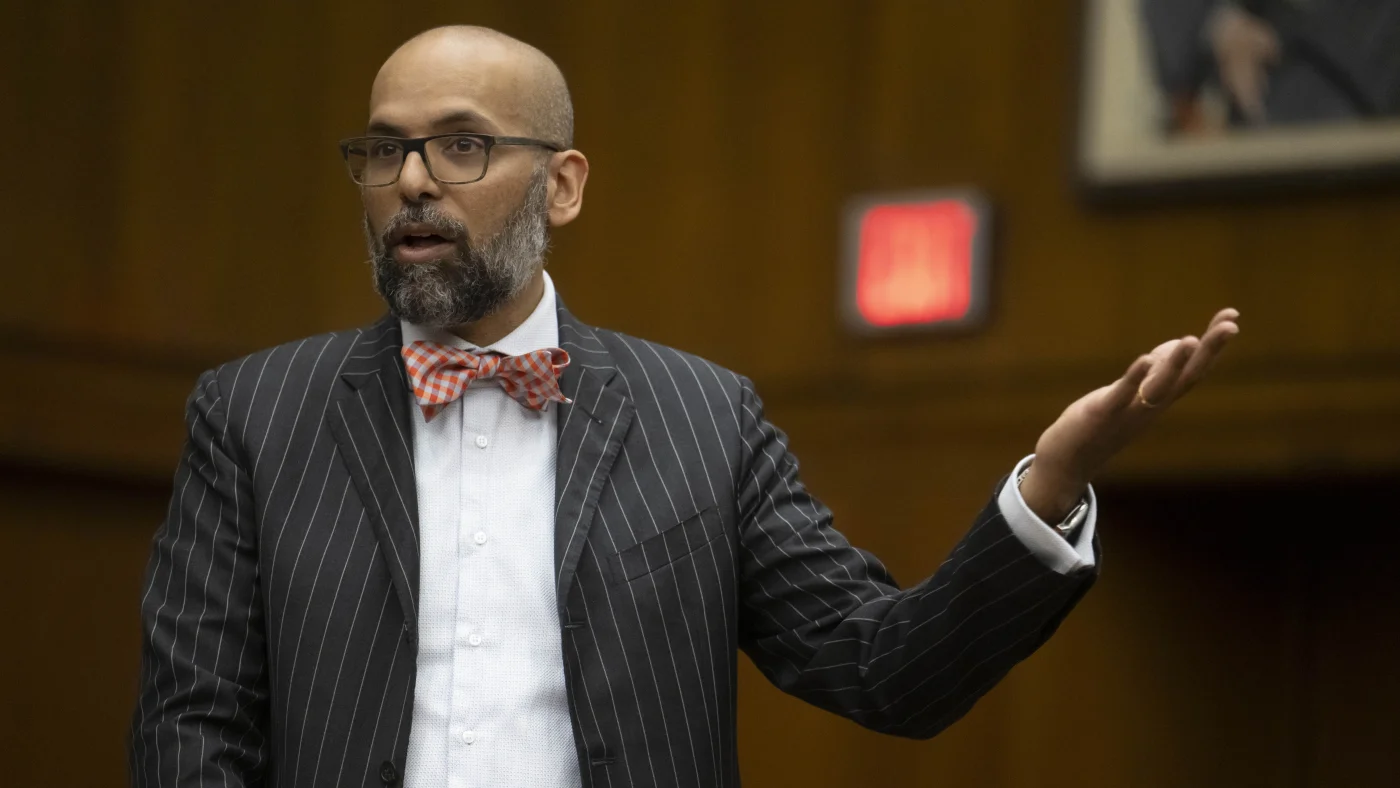
In his closing speech on Monday, Ian Winter KC, Brand's defence barrister, said a Channel 4 documentary and stories in the Times and Sunday Times that made allegations about Brand in 2023 "caused people who had not previously considered for it to be appropriate to bring criminal allegations against him, to do so, and very many years after."
Brand faces seven counts; three counts of rape, three charges of sexual assault and one allegation of attempted indecent assault.
He denies all the allegations.
On Monday at Southwark Crown Court, Winter told jurors that "living a highly promiscuous life is entirely lawful".
He added: "Can you possibly be sure in this case that out of the many, many women who voluntarily had sex with Mr Brand, that he raped just three of them?"
Winter said it was an "extremely curious feature" of the case that Brand "obviously genuinely believed that they were consenting because that's the only thing that would explain why his behaviour was normal".
He added that there was "no evidence he is some sort of psychopath who rapes people and thinks it's normal".
Referring to one allegation from 1999, Winter said: "You would have to be a psychopath" to be raping someone and "asking if they were enjoying it" at the same time.
"He left her his actual email address. Rapists do not give out their email address," he added.
"Rapists do not leave their photographs. Rapists do not kiss their victims goodbye."

Brand's father-in-law, former Ryder Cup-winning golfer Bernard Gallacher (left), also attended the trial on Monday
Referring to the Channel 4 Dispatches documentary, which made allegations about Brand in 2023, Winter reminded jurors that the judge in the trial had directed them that the programme was "very one-sided" and "produced in a dramatic manner".
The barrister said it was "published without a single journalist ever speaking to Mr Brand about it other than to protect their defamation risk... protect their right to reply after the programme had been made".
He later said: "Most importantly, that programme and those allegations in it - Mr Brand is innocent of them.
"So, they poisoned the well in respect of things of which Mr Brand is innocent."
He added that the six complainants in the case were "not random", adding they were "thoroughly contaminated by the programme".
Russell Brand on Trial
You can follow the trial day by day on the BBC podcast Russell Brand on Trial - available on BBC Sounds, YouTube, iPlayer, or wherever you get your BBC podcasts
Jurors were reminded about what Brand had said in his evidence about the impact the programme had on him.
Winter said one "graphic" example of the "truly devastating effect" on Brand was when a hospital "would not permit him to visit the bedside of his baby son after life-saving open heart surgery".
Winter said: "That tells you the extent to which public opinion has... corrupted."
Brand previously told jurors that Great Ormond Street Hospital didn't let him stay with his son due to "material that had been published in the public eye".
Brand's lawyer also told jurors that Brand "had an immense amount of sex", but that "none of it was unlawful".
"Disgusting, distasteful, immoral, who cares?" he added.
"It's irrelevant to your consideration."
Winter said he was "sorry to have to say it's not criminal to treat women unkindly before, during or after sex," nor is it "criminal to be disrespectful, or be rude, or to behave like a crazy idiot."
He also questioned how none of the women came forward during the MeToo movement.
"Many women were questioning whether they had a bad experience sexually at the hands of a famous person. It could not have been more publicised," he said.
"How is it that not one of them thought what happened to them involved a crime during the MeToo movement?"
Speaking about Brand's comedy, Winter described it as "radical and different" as Brand was "telling the truth about what was going on consensually between adults".
The barrister said: "You may think that while his comedy was certainly not to all tastes and very much the product of the time, he was honest then about it, he was honest then about what sort of sex he was engaged in."
He said Brand's stand-up comedy was focused on him "telling the truth", adding: "When you put yourself back to the time, it was radical and different because someone was telling the truth about what's going on consensually between adults."
Winter also referred to evidence given by Brand's wife Laura, saying: "She fell in love with that man in full knowledge of what he was doing.
"She married him, she bore him three children."
He went on to say that she would not have done so if Brand was "guilty as charged".
Brand arrived at court today accompanied by his wife Laura and her father Bernard Gallacher, the former professional golfer.
The trial continues.
Related topics
- Published3 days ago

Source: Read original story

Comments ()