Uncovering Madrid: discover the beat of a destination that extends well beyond the city centre
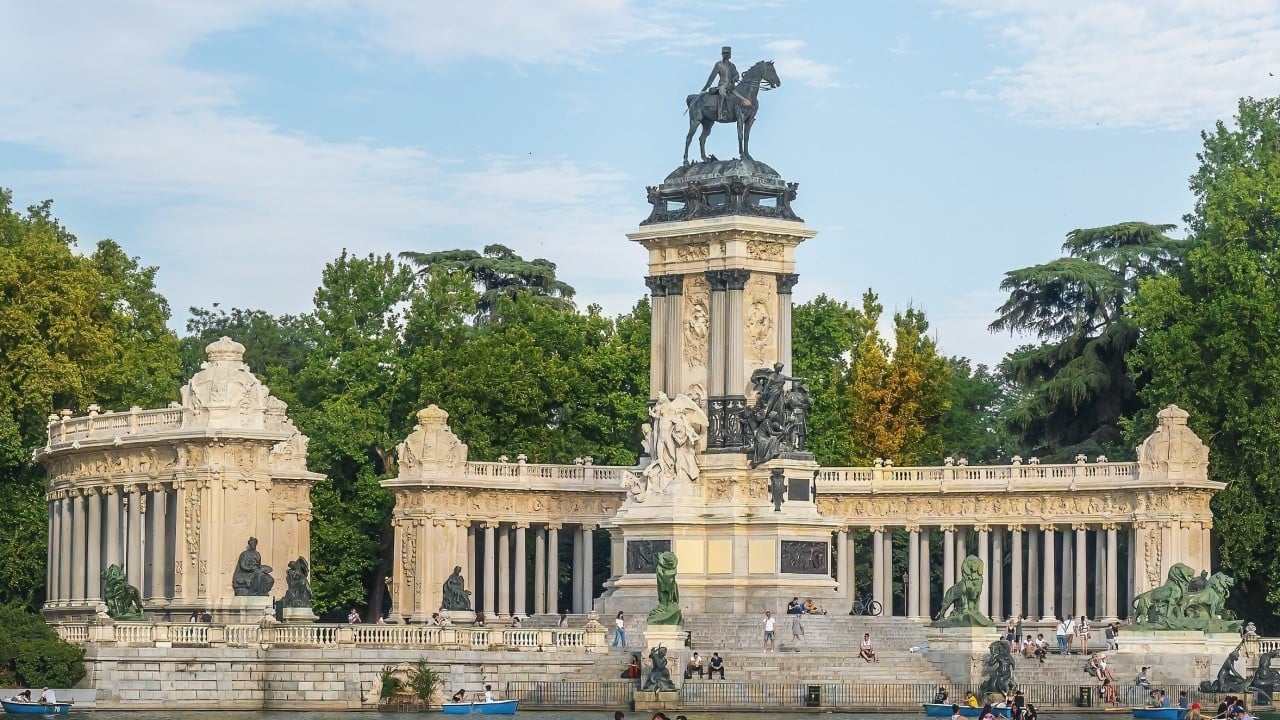
Spain’s capital is a sprawling mix of culture, history, gastronomy and luxury. Here’s why it is more than just the nation’s hub
[The content of this article has been produced by our advertising partner.]
Madrid may be known as a city destination, but beyond its immediate hub there is much to embrace, taste and live. Europe’s beating heart deserves its unspoken, vibrant pulse to be felt, and its rhythm to course through the soul.
For the discerning global traveller, Madrid unfolds, layer upon layer, to reveal a choreography of culture, heritage and modern indulgence. Time must be spent here to explore, discover, appreciate and understand the myriad nuances between its centuries-old elegance and contemporary vitality.
Madrid is widely recognised as a cultural capital and offers an immersive experience that reveals new chapters of refinement, character and authenticity the longer you stay. It is best experienced slowly, where every hour dissolves into a tapestry of multisensory rewards.
Days at the museum
Anchoring Madrid’s reputation are its much-lauded cultural institutions. The Paseo del Prado – a historic, tree-lined street that is both a cultural hub and Unesco World Heritage site – acts as a grand axis of heritage, the Prado Museum, the Reina Sofia Museum and the Thyssen-Bornemisza National Museum forming a “golden triangle of art” housing the works of some of the Western world’s most famous artists.
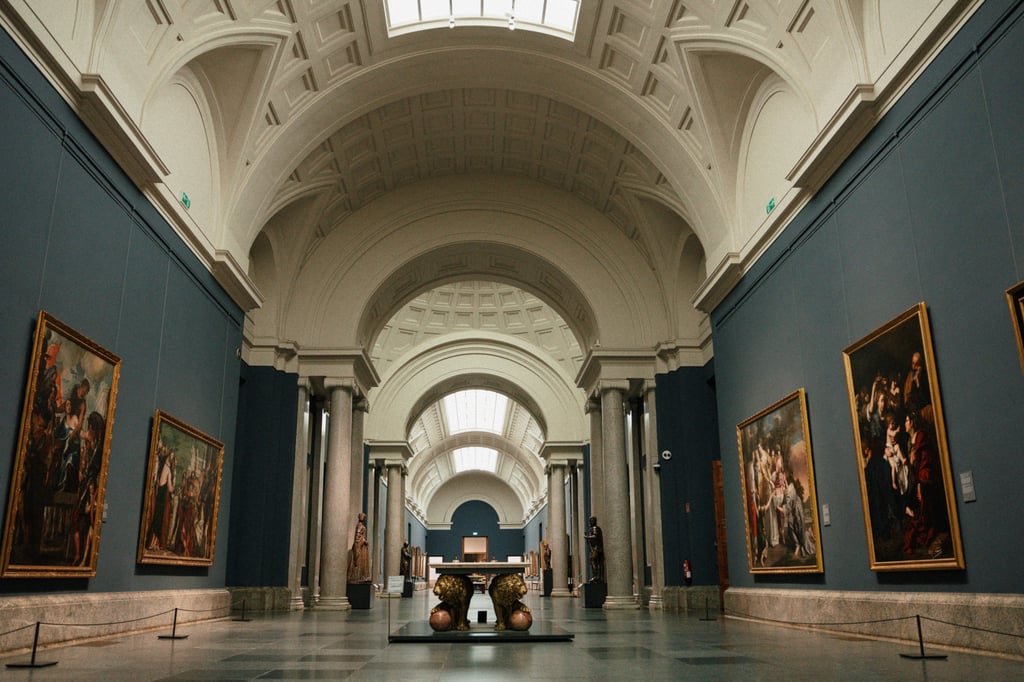
At the Prado, the solemn, baroque brushstrokes of Diego Velazquez, an artist in the court of King Philip IV of Spain, and Francisco Goya’s rococo paintings offer an encounter with a royal legacy and classical Spanish mastery. And just a short stroll away, the rhythm shifts dramatically at the Reina Sofia Museum, where the architectural space itself echoes the bold, radical spirit of modern masters, housing Pablo Picasso’s monumental anti-war Guernica and the surrealist dream works of Salvador Dali. The Thyssen-Bornemisza National Museum bridges the gap with Western artworks spanning 13th-century Italian and Flemish artists to 20th-century pop art.
Together, these institutions form a cultural landscape coveted globally. But to limit a stay to the heart of Madrid is to miss the full grandeur of the region’s offerings. Within less than an hour, royal buildings, Unesco-recognised heritage, celebrated wineries, historic towns and cultural landscapes expand beyond its core, all maintaining that same sense of discovery.
Accommodating luxury
A Madrid stay can be steeped in luxury, where timeless decadence meets avant-garde sophistication. To reside at the Mandarin Oriental Ritz, Madrid is to step into European history, reimagined for the modern connoisseur. Here, overlooking the lush expanse of the Paseo del Prado boulevard, the atmosphere carries an air of quiet prestige.
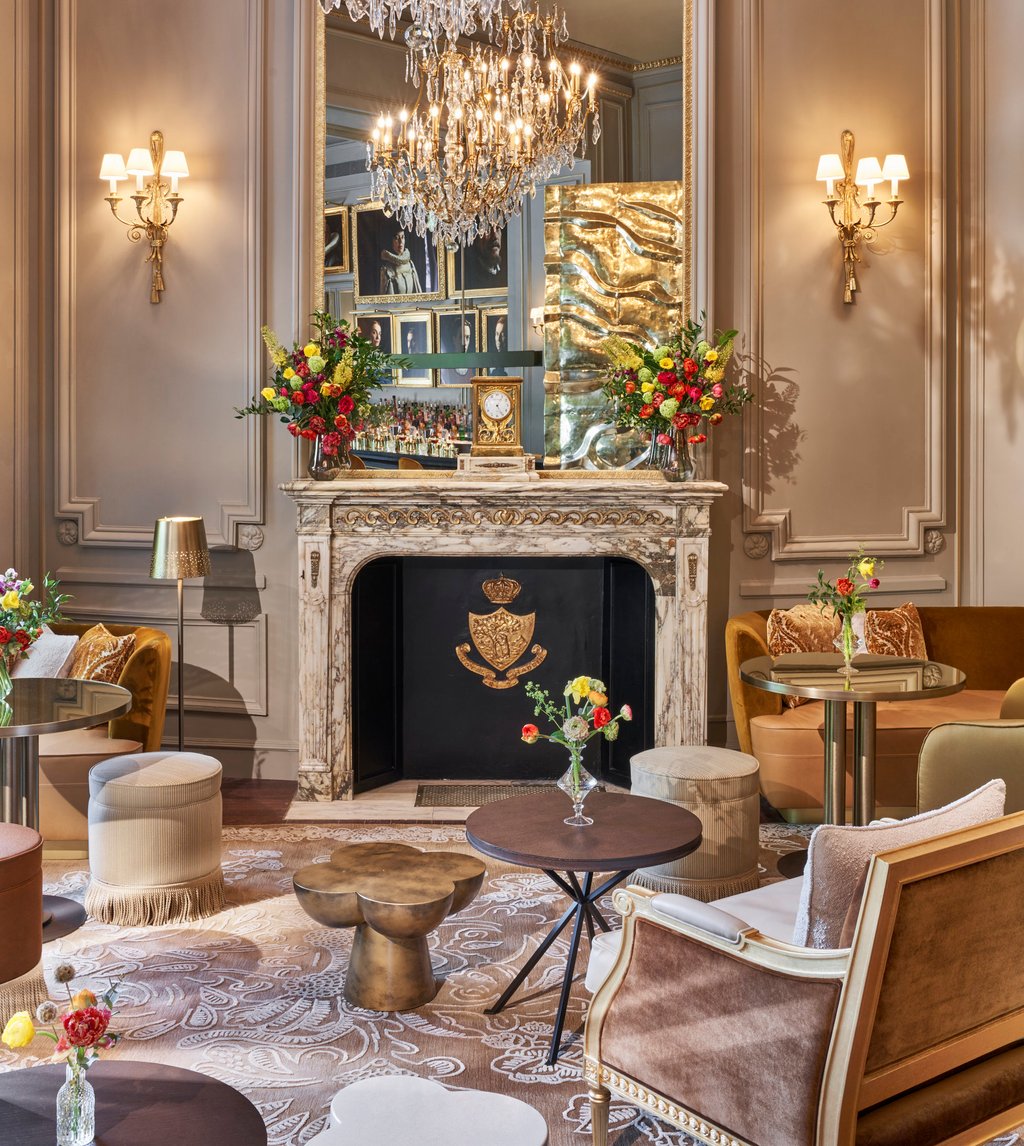
Meanwhile, the Rosewood Villa Magna offers a masterclass in contemporary discretion. Nestled in the stylish enclave of the Salamanca district, it is a refined sanctuary where travellers can find an oasis of understated elegance and bespoke service.
Stepping beyond these sanctuaries’ walls, Madrid expands into a vast array of world-class culture, acclaimed gastronomy, outstanding hospitality, luxury shopping and vibrant street life – all coexisting close enough to allow experiences to connect seamlessly over the days or weeks spent in this culturally rich region.
Golden mornings, graceful afternoons
There is good reason to begin a day under the shaded canopies of the “golden mile” in Salamanca, a 19th-century boulevard once inhabited by Spanish aristocrats, where haute couture ateliers and private galleries cater to today’s collectors. Visitors can then transition from this cultural hub to the Barrio de las Letras, Madrid’s historic literary quarter, where the true cadence of local life can be felt along the cobbled lanes, and where the playwrights of Spain’s Golden Age once meandered.
At lunchtime, head to the trendy bohemian neighbourhood of Malasana, in which lies the Bodega de la Ardosa, a tavern dating back to the late 19th century that offers a sophisticated flirtation with the past. Amid dark wood and dusty bottles of vermouth, the simple act of sharing a lunch of tapas can become a relaxing way to punctuate a day of exploration and discovery.
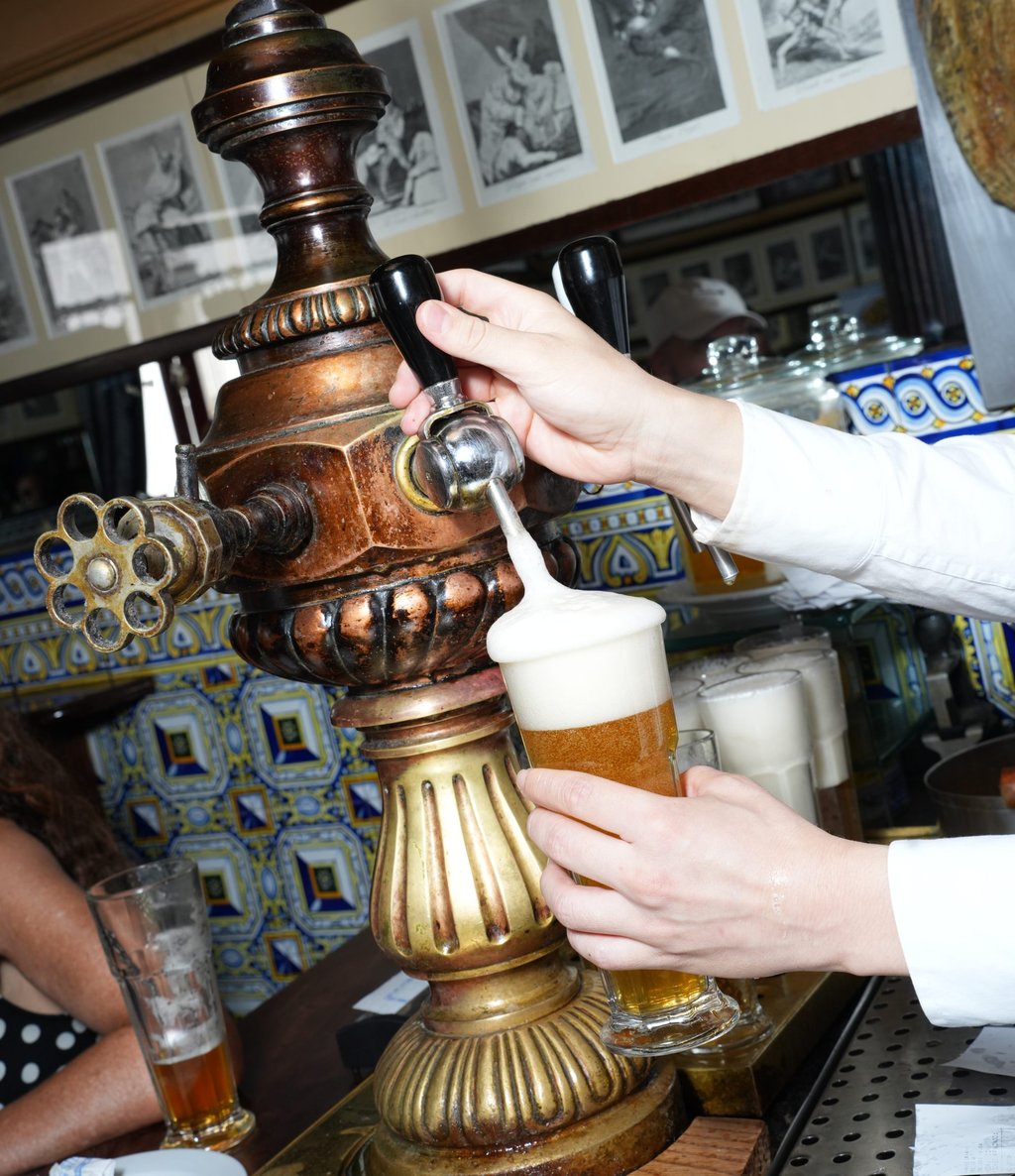
This duality of tradition and revolution finds its ultimate expression in Madrid’s epicurean landscape. The destination has quietly established itself as the epicentre of European gastronomy, a place where culinary artistry is viewed with reverence.
The zenith of this movement is experienced at three-Michelin-star DiverXO, where chef Dabiz Munoz orchestrates a hedonistic, theatrical journey that stretches beyond convention. Expect a dining experience curated for the culinary gastronome – the Mediterranean red- prawn variations are recommended – where every flavour is transformed into a complex narrative for the palate.
Beyond the city
But Madrid offers more than a city break. An afternoon sojourn can lead to San Lorenzo de El Escorial – the royal residence and legacy of Philip II which stands as a stark testament to imperial grandeur against the backdrop of the majestic Guadarrama mountains.
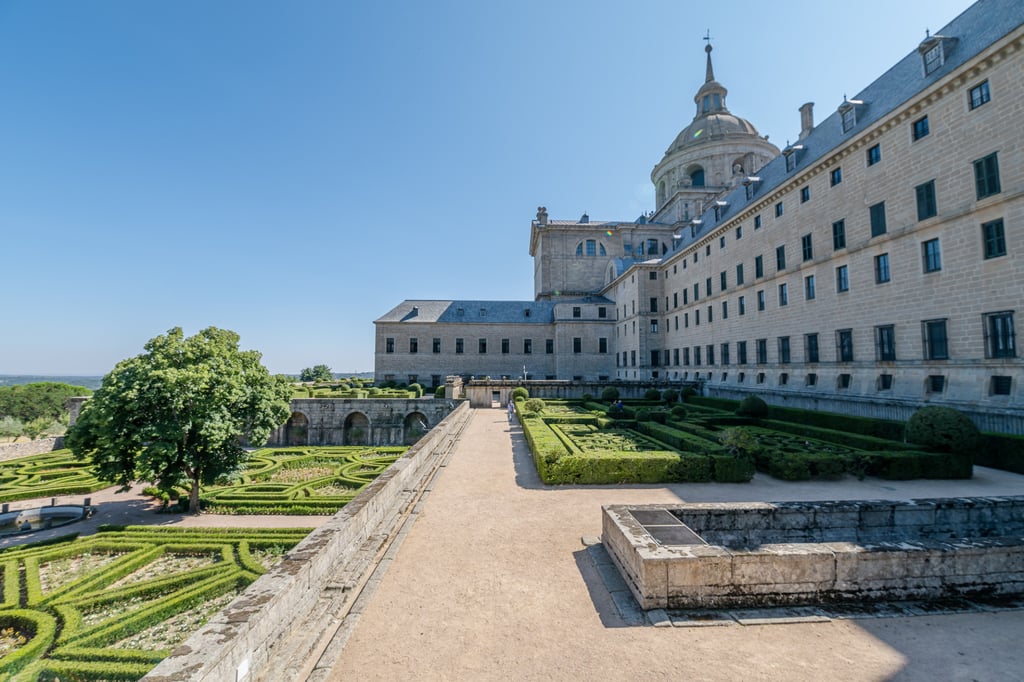
Further across the cultural map lies Alcala de Henares, a 16th-century university town historically renowned for intellectual pedigree, and where Spanish writer Miguel de Cervantes, best known for his two-part novel Don Quixote, was born.
To the south, the verdant gardens and baroque Palace of Aranjuez reveal a softer, romantic dimension of Spain, where the Tagus River nurtures a cultural landscape encompassing rich agriculture and historic wineries that can be added to a cultural itinerary.
As the sun sets on a day in Madrid, it becomes clear its ultimate privilege is time – the luxury to move to the city’s tempo and discover the hidden heart, where both the grandest heritage and the more intimate moments lie within easy reach, and are rewarded through deeper exploration.
Source: Read original story
Comments ()