

Opinion | Maduro’s fate in Venezuela hardens North Korea’s nuclear resolve
It confirms Pyongyang’s belief that leaders seen as thorns in the US side who lack nuclear weapons ultimately fall victim to US intervention
The
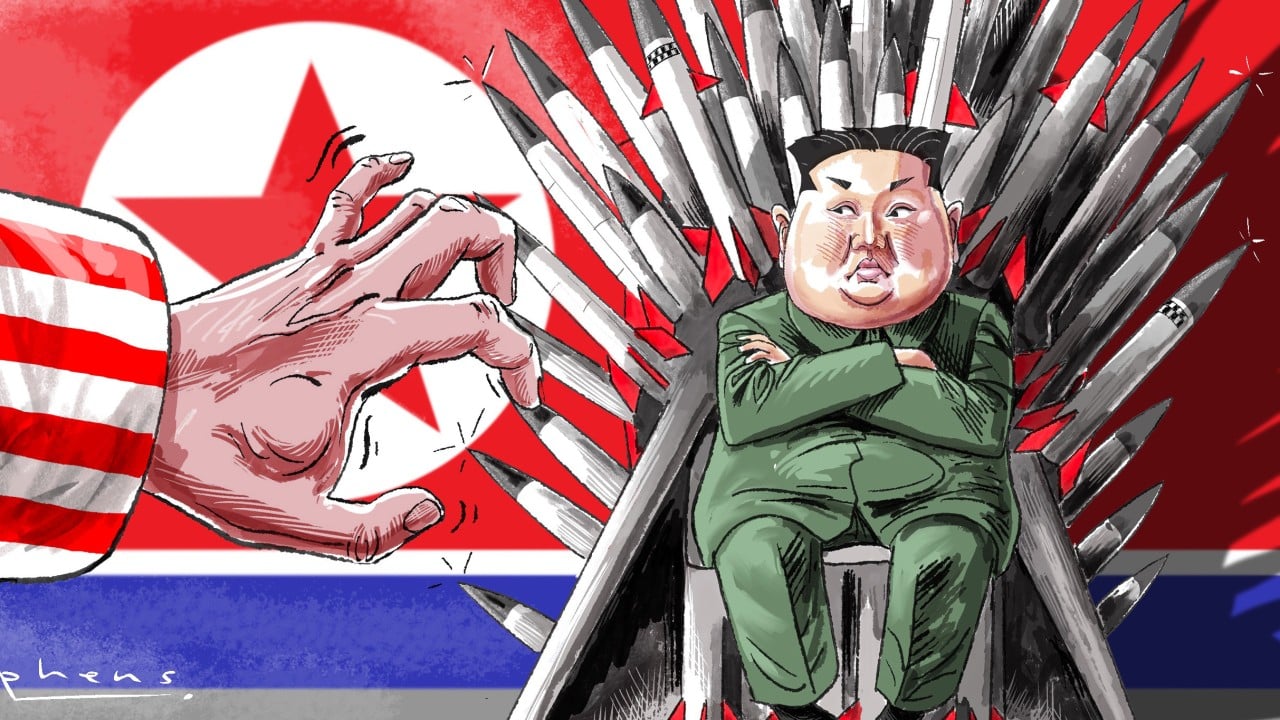
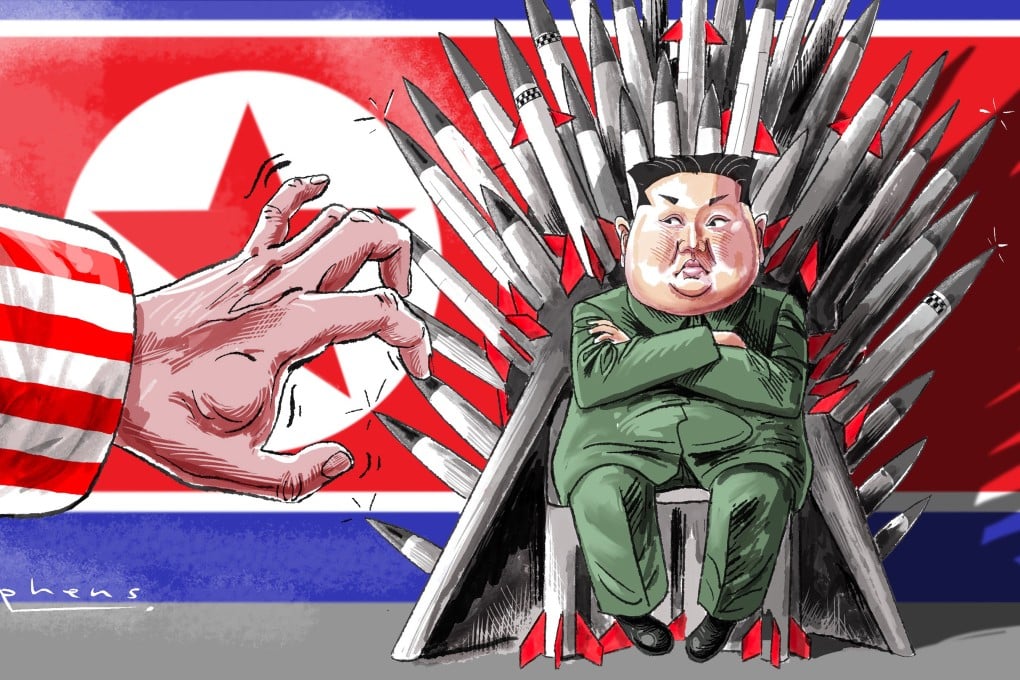
US removal of Venezuela’s Nicolas Maduro from power has reverberated far beyond Latin America. In Pyongyang, where regime survival is the paramount concern and every US action is scrutinised for hostile intent, the deposing of a sitting head of state sends an unmistakable message: dialogue with Washington is a dangerous gamble, and only nuclear weapons guarantee survival.
The Venezuela operation may have killed the prospects for meaningful US-North Korea diplomacy in 2026 before they even had a chance to begin.
Pyongyang swiftly condemned the operation as “the most serious form of encroachment of sovereignty”, calling it “another example that clearly confirms once again the rogue and brutal nature of the US”.
For North Korea, Maduro’s downfall is far more than the loss of an ally. It is the latest confirmation of a lesson Pyongyang has absorbed repeatedly over decades: leaders seen as thorns in America’s side who lack nuclear deterrence ultimately fall victim to US intervention.
Maduro joins a list that runs from Saddam Hussein to Muammar Gaddafi. Each instance has reinforced North Korea’s nuclear calculus and this latest episode arrives at a particularly sensitive moment when North Korea’s capabilities are growing thanks to its deepening military partnership with Moscow.
US President Donald Trump’s expressions of interest in dialogue with adversaries now ring hollow. He spoke of engaging with countries like Iran and Venezuela – then his administration bombed Iran and covertly removed Venezuela’s leader. The disconnect between diplomatic rhetoric and military action could not be starker.
Choose your listening speed
Get through articles 2x faster
Comments are closed.