
World
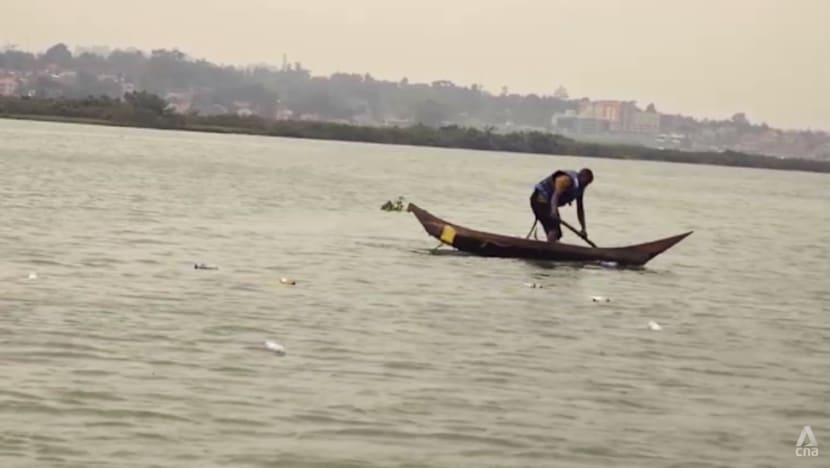
Lake Victoria, the world’s second-largest freshwater lake by surface area, supports more than 47 million people across Uganda, Kenya and Tanzania.
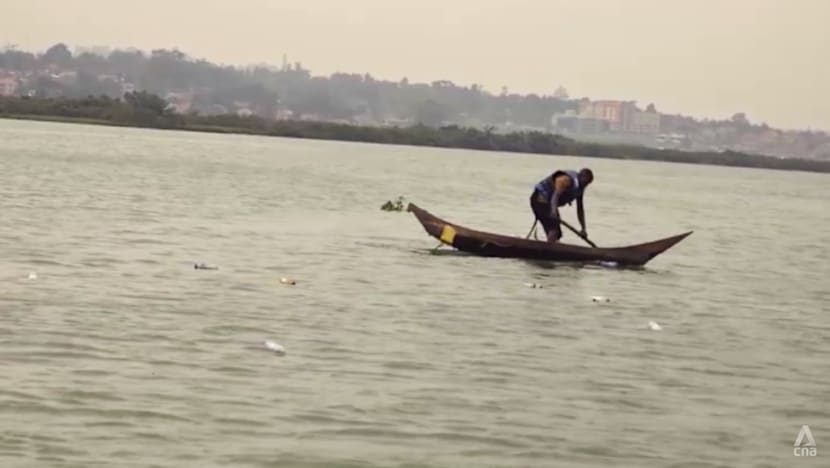
A man fishes out plastic bottle waste in Lake Victoria in Luzira, Uganda.
New: You can now listen to articles. 
This audio is generated by an AI tool.
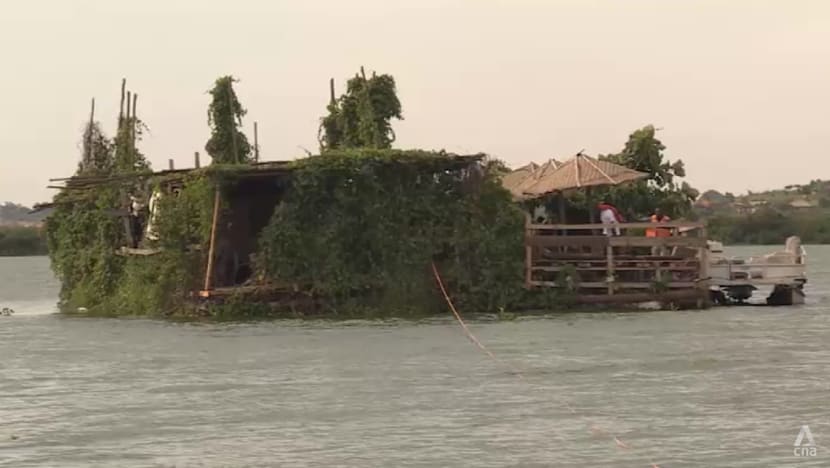
KAMPALA: On the shimmering waters of Lake Victoria, a floating island made from waste drifts gently near the shores of Luzira, a suburb of Uganda’s capital Kampala.
The patchwork raft – a mosaic of discarded plastics intertwined with creeping plants and encircled by wooden fencing – is more than an eye-catching oddity; it is a living experiment in environmental restoration.
Built from plastic waste collected from the lake and woven together with vegetation and eco-friendly materials, the platform is created and manned by environmentalist James Kateeba.
The plants growing on the structure extend their roots into the lake, where they act like a living filter, drawing in impurities and gradually helping to revive the fragile ecosystem.
“We were looking at lake clean-up using bio-filtration from their roots,” he told CNA.
“(The plants can) clean up the lake from pesticide pollution, from oils that come from the mainland and from sewage. We are trying to mimic what wetlands do.”
Below the surface, the roots create a habitat where fish and other aquatic life can thrive.
TURNING WASTE INTO ATTRACTION
Kateeba began constructing the floating island in 2017 amid an escalating plastic pollution crisis choking Lake Victoria.
Today, the platform – buoyed by at least 10 tonnes of plastic bottles – can hold around 100 people and has become a unique tourist attraction.
Visitors now flock to the site on weekends to enjoy the lake breeze while helping to clean up the water. Onboard, they can also enjoy food and beverages while socialising.

So far, Kateeba’s initiative has removed more than 20 tonnes of plastic from the East African lake, although he said his efforts are just a drop in the ocean, compared to the steady stream of new waste washed in with every rainfall.
A CITY DROWNING IN PLASTIC
Kampala has for years grappled with a severe littering problem.
Improper disposal of rubbish, particularly plastic – including bags, bottles and packaging – frequently clogs the city’s outdated drainage systems, causing flooding, infrastructure damage and public health hazards.
Despite government bans on single-use plastics and city clean-up efforts, weak enforcement, poor waste management and limited recycling systems continue to worsen the crisis.
Research estimates that at least 10 per cent of plastic waste generated in the capital ends up in Lake Victoria.
A GROWING PROBLEM
Experts warn that as the waste breaks down, it releases microplastics that contaminate water, soil and food sources.
“The water treatment processes that we have – besides filtration, sedimentation and maybe chlorinisation – the processes of removing microplastics are not quite there,” said Ronald Semyalo, a hydrobiologist at Makerere University’s department of zoology, entomology and fisheries.
“We may be fortunate that the load is still low right now and these processes are sufficient to deal with the microplastics. But as the problem grows, we have to think of other ways, maybe getting finer filters, better filters, to (clean) the water.”
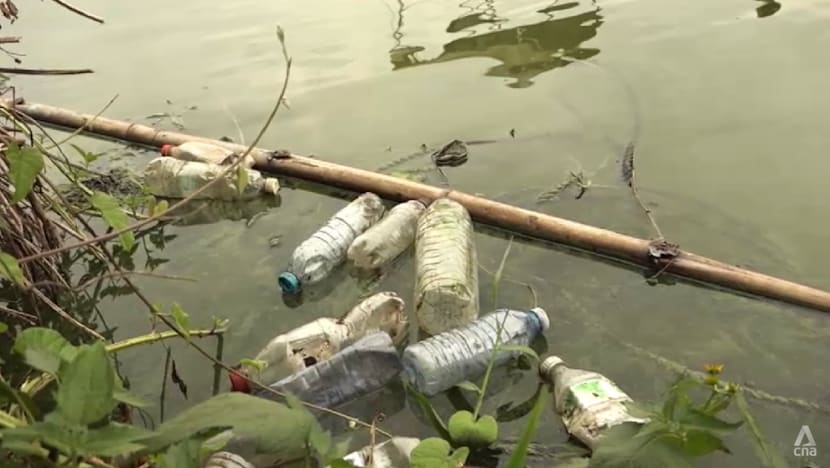
Toxins from pollutants that seep into the lake further poison fish and other aquatic life, disrupting the lake’s delicate ecosystem.
Experts cautioned that if pollution continues unchecked, it could spell disaster for thousands of fishermen and their families who depend on the lake for survival.
“Eventually you get to a point when the environmental services of the lake are no longer available to us like we know them. This will definitely affect the fish at levels that we are not so sure about,” said Semyalo.
Lake Victoria, Africa’s largest lake and the world’s second-largest freshwater body, supports more than 47 million people across Uganda, Kenya and Tanzania.
Campaigners like Kateeba fear that without stronger regional cooperation and stricter enforcement, their painstaking efforts could be undone.
Comments are closed.