
In the span of a few days earlier this month, developments that usually sit in separate policy compartments began to converge.
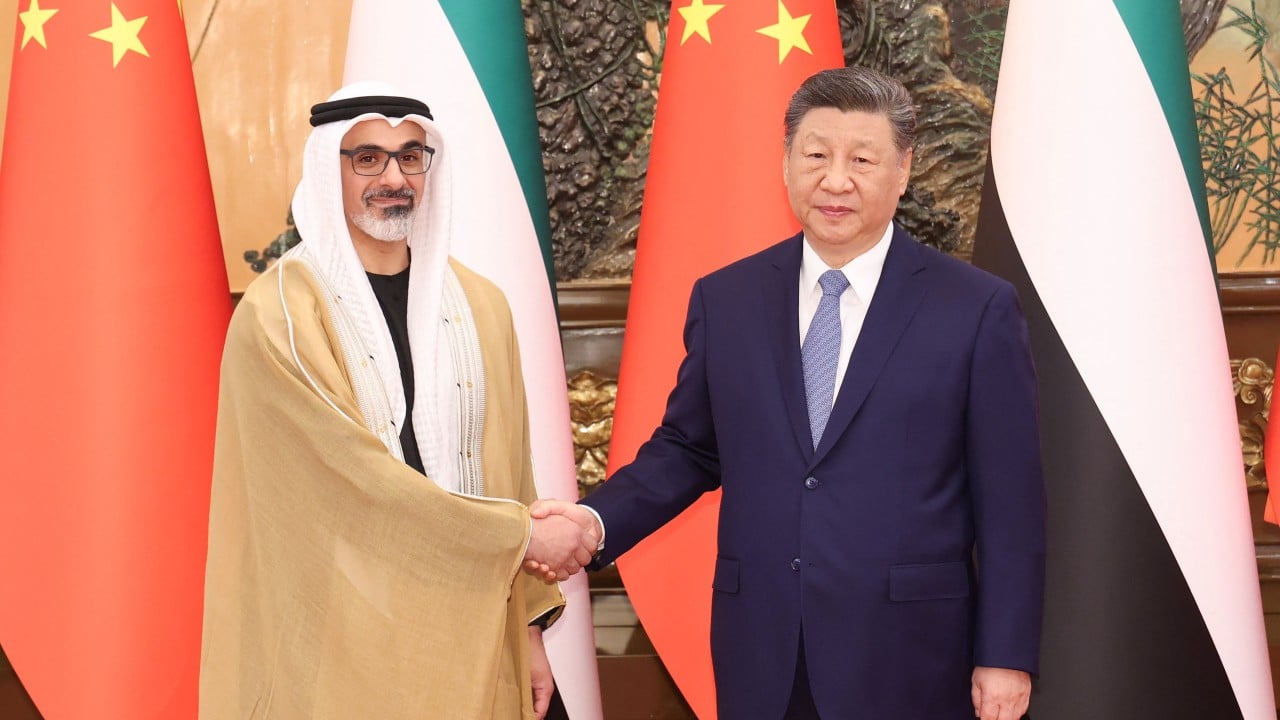
Abu Dhabi’s crown prince arrived in Beijing as President Xi Jinping used the
visit to set out China’s four-point position on the Iran war. Pakistan, now central to keeping US-Iran diplomacy alive, said no date was fixed for the next round of talks. Washington escalated pressure on buyers of Iranian oil and the banks handling related funds. Reports circulated of yuan use in connection with payments tied to passage through the Strait of Hormuz.
These developments raise a question that has hovered over global energy markets for years but now looks harder to dismiss: is a “petroyuan” taking shape?
The starting point is the right one: the petrodollar remains deeply entrenched. The dollar still dominates official reserves, international payments and foreign exchange turnover. US dollars make up nearly 57 per cent of disclosed global official reserves while the yuan accounts for less than 2 per cent. The dollar’s structural advantages – deepest pool of safe assets, unrivalled financial liquidity and overwhelming presence in foreign currency markets – do not disappear because one regional war has exposed new strains.
The petrodollar has never been just the invoice currency of oil cargoes. It is a system linking energy pricing, cross-border finance, reserve accumulation and security. Gulf producers earn dollar revenues, recycle part of that into dollar assets and operate within a regional order underwritten by American military power. That arrangement gave the dollar strategic depth. It tied the world’s most important commodity to the world’s most important reserve currency and then wrapped both inside a security bargain.
That bargain is no longer as solid as it once looked.

Trump announces US blockade of Strait of Hormuz, warns Iranians of being ‘blown to hell’
Trump announces US blockade of Strait of Hormuz, warns Iranians of being ‘blown to hell’