
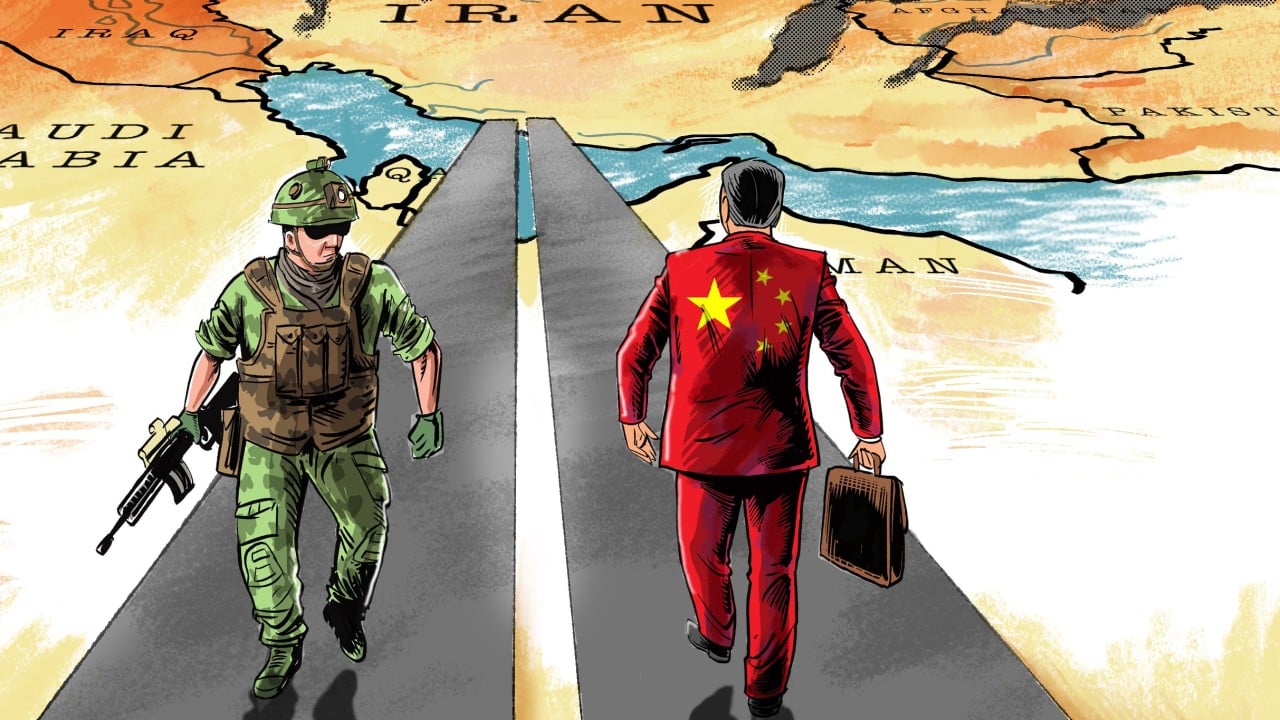
The Iran war has delivered a systemic shock to the Gulf’s security architecture and economic miracle. Two taboos were rapidly broken. The Strait of Hormuz, which carries roughly one-fifth of global oil consumption and close to a quarter of seaborne crude, was paralysed for sustained periods. Iranian strikes reached deep into Gulf territory, hitting ports, energy terminals and airports with a frequency that exceeded attacks on Israel.
War-risk insurance premiums and tanker charter rates surged across key Gulf routes. Benchmark crude prices climbed
above US$110 per barrel. Maritime traffic plunged by over 95 per cent, with notable drops in port and terminal activity across the Gulf, while delays in liquefied natural gas cargoes tightened Asian spot markets.
For Gulf economies that have spent the past decade investing heavily in logistics, tourism, advanced manufacturing and a green transition, the episode felt existential. The shock exposed the fragility of a model that relied on steady investment flows, uninterrupted maritime flows and a presumed security guarantee. With 13 US bases across the wider region nearly uninhabitable, the US protection umbrella has turned out to be a mirage.
This is where China’s profile gains salience. Beijing has pursued a calculated diplomatic posture: favouring dialogue while avoiding military entanglement. Its approach prioritises de-escalation, backchannel facilitation and multilateral signalling.
China’s structural ties with Iran remain substantial. Their cooperation framework, often cited at around US$400 billion over 25 years, is anchored in energy trade, infrastructure and financial arrangements. China imported 11.6 million barrels of crude per day last year, with a meaningful share linked to discounted Iranian flows routed through complex channels. Yuan-denominated transactions have expanded at the margins, even if liquidity and sanctions risks constrain scale.
For the Gulf, these linkages translate into diplomatic capital for de-escalation. Beijing can help communicate with Tehran with fewer ideological constraints and a clearer economic incentive to avoid prolonged supply shocks. A calibrated Chinese role in post-war de-escalation, whether through quiet shuttle diplomacy or structured regional dialogue, would align with Gulf priorities to restore predictability in energy exports and logistics.